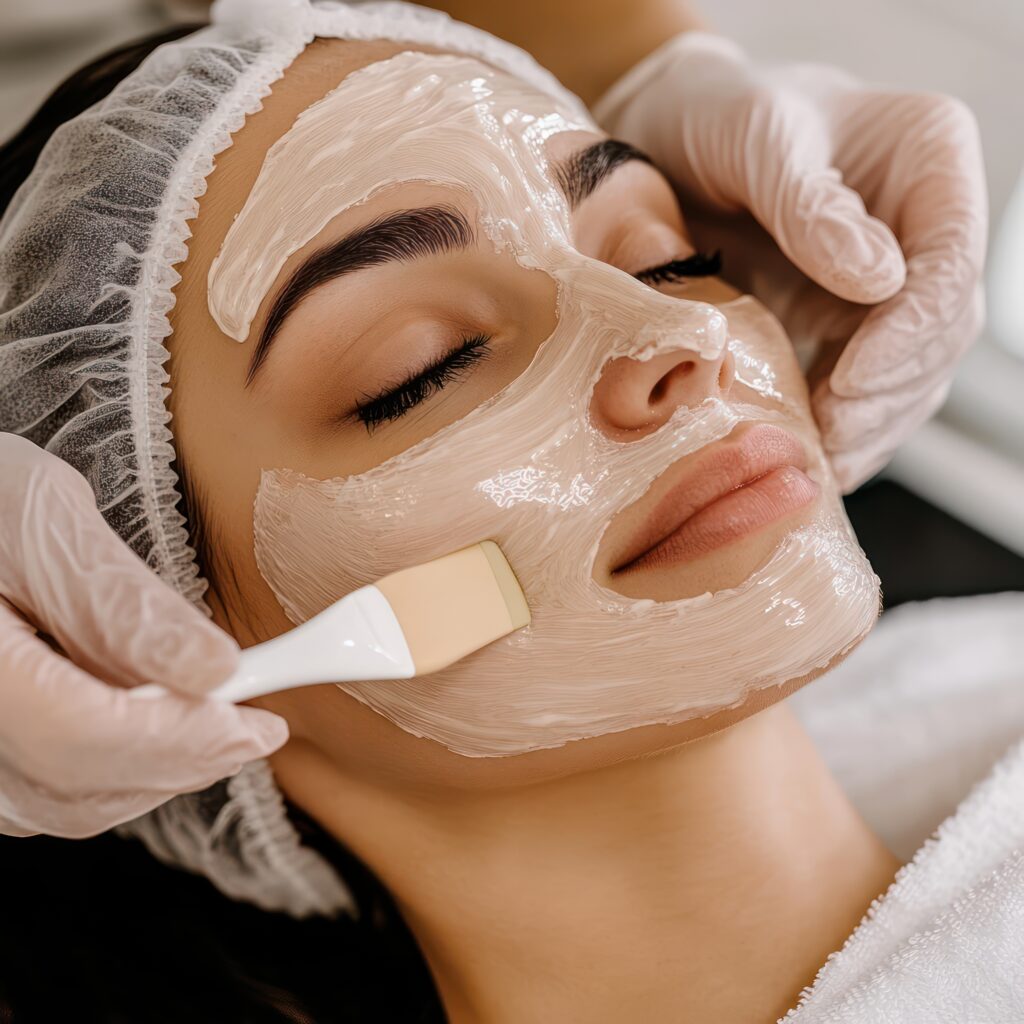
Your Guide to Safe and Effective Skin Renewal
Chemical peels are one of the most versatile and effective ways to refresh your skin. But one of the most common questions we hear at Essentia Women’s Health & Aesthetics in Fayetteville, GA is: how often should you get a chemical peel? The answer depends on your skin’s unique needs, the type of peel, and your goals for a radiant, healthy complexion.
Let’s explore how often to schedule your peels, what to expect during each cycle, and why a personalized plan is essential for beautiful, lasting results.
Frequency Based on Peel Type
When it comes to how often should you get a chemical peel, the biggest factor is the type of peel you’re getting.
- Superficial Peels
These gentle peels use mild acids like glycolic or lactic acid to exfoliate the top layer of your skin. Because they’re so mild, you can safely get superficial peels every 2–4 weeks—perfect for ongoing maintenance or prepping for special occasions.
- Medium-Depth Peels
Medium-depth peels use stronger acids (like TCA) to reach deeper layers of skin. These treatments are more intense, so we usually recommend them every 3–4 months to give your skin time to fully heal and regenerate.
- Deep Peels
Deep chemical peels, which penetrate the deepest skin layers, are rarely done more than once every few years because of the significant downtime and healing process.
At Essentia, we’ll help you decide the best frequency for your skin and lifestyle—so you never overdo it.
Superficial vs Medium-Depth Peels: Key Differences
Superficial peels are ideal for mild concerns like dullness, dryness, or fine lines. They’re quick and easy with minimal downtime, so they can become part of your monthly skincare routine.
Medium-depth peels, on the other hand, are better for targeting:
- Moderate sun damage
- Deeper pigmentation issues
- Acne scars and fine lines
Because they work more deeply, these peels require more time between sessions to let your skin rebuild and renew.
Wondering how often should you get a chemical peel if you’re alternating between these types? Our team will create a custom schedule that alternates gentle treatments with more intensive peels—keeping your skin healthy and balanced all year long.
Tailoring Your Peel Schedule to Skin Goals
Your skin goals also influence how often should you get a chemical peel. Here’s how:
- Brightening and Glow:
Superficial peels every 3–4 weeks can keep your complexion clear and luminous. - Acne and Breakouts:
Regular light peels can help keep pores clear and breakouts at bay—usually every 2–4 weeks during active flare-ups, then monthly for maintenance. - Deeper Wrinkles and Sun Damage:
Medium-depth peels every 3–4 months, paired with a home routine and sunscreen, can help reverse deeper damage and boost collagen.
At Essentia, we believe your skin deserves a plan that evolves as you do—no cookie-cutter routines here!
How Skin Type Affects Timing
Another key part of how often should you get a chemical peel is your skin type. Here’s a quick breakdown:
- Sensitive Skin: May need longer breaks (4–6 weeks) between even gentle peels to avoid irritation.
- Oily or Acne-Prone Skin: Can usually tolerate more frequent light peels to keep pores clear.
- Darker Skin Tones: Need personalized plans to avoid hyperpigmentation—our in-house compounding pharmacy allows us to create safe, effective peels that respect your skin tone.
The Importance of Aftercare
No matter how often you get a peel, aftercare is everything. At Essentia, your treatment doesn’t end when you leave the office. We provide:
- Post-peel skincare kits with medical-grade products to soothe and protect.
- Step-by-step guidance on cleansing, moisturizing, and sun protection.
- Ongoing support to ensure your skin heals beautifully and stays healthy long-term.
Proper aftercare keeps your skin calm, reduces downtime, and helps lock in that fresh glow.
Our In-House Compounding Pharmacy: Personalized Peels for You
Not every med spa can say they tailor peels to your exact needs—but we can. At Essentia, our in-house compounding pharmacy lets us:
- Create custom formulas for sensitive or ethnic skin types
- Balance acids to target your biggest concerns
- Adjust your peel plan as your skin evolves
This level of customization is one of the reasons Essentia’s clients see such consistent, beautiful results.
When to Adjust or Pause Treatments
While peels can be part of a long-term skincare routine, it’s important to know when to adjust. You might need to take a break if:
- Your skin feels too sensitive or irritated
- You’re experiencing an active flare of eczema or rosacea
- You’re using other resurfacing treatments (like retinoids or lasers) that could make your skin too sensitive
During your consultation, we’ll talk about all of this—so you never feel unsure about the next step.
Frequently Asked Questions
How often can I get a superficial chemical peel?
You can get these peels every 2–4 weeks, depending on your skin’s needs and how it responds.
Are medium and deep peels done more or less frequently?
Medium peels are typically spaced 3–4 months apart, while deep peels are usually only needed once every few years.
Can I overdo chemical peels?
Yes—overdoing peels can lead to irritation, dryness, and even long-term skin damage. A professional treatment plan ensures you stay on the safe side.
How do I know when it’s time for another peel?
Your skin will tell you! If it’s looking dull, uneven, or breaking out again, it may be time. At Essentia, we’ll monitor your progress and recommend the perfect timing.
Should my peel schedule change with the seasons?
Often, yes! Many people do deeper peels in the fall or winter when sun exposure is lower, and focus on gentle, hydrating peels in the summer.
Key Takeaways
- How often should you get a chemical peel? It depends on your skin type, goals, and peel type—generally every 2–4 weeks for superficial peels and 3–4 months for medium-depth peels.
- Your skin’s unique needs are the guide—there’s no one-size-fits-all schedule!
- Aftercare is essential—Essentia provides personalized kits and guidance for beautiful results.
- Our in-house compounding pharmacy lets us create peels that match your skin’s needs exactly.
- Always work with a trained professional to create a safe, effective peel plan.
Curious to see what a personalized peel plan could do for you? Book a consultation at Essentia Women’s Health & Aesthetics in Fayetteville, GA, today. Let’s get your skin glowing—on your schedule and your terms.