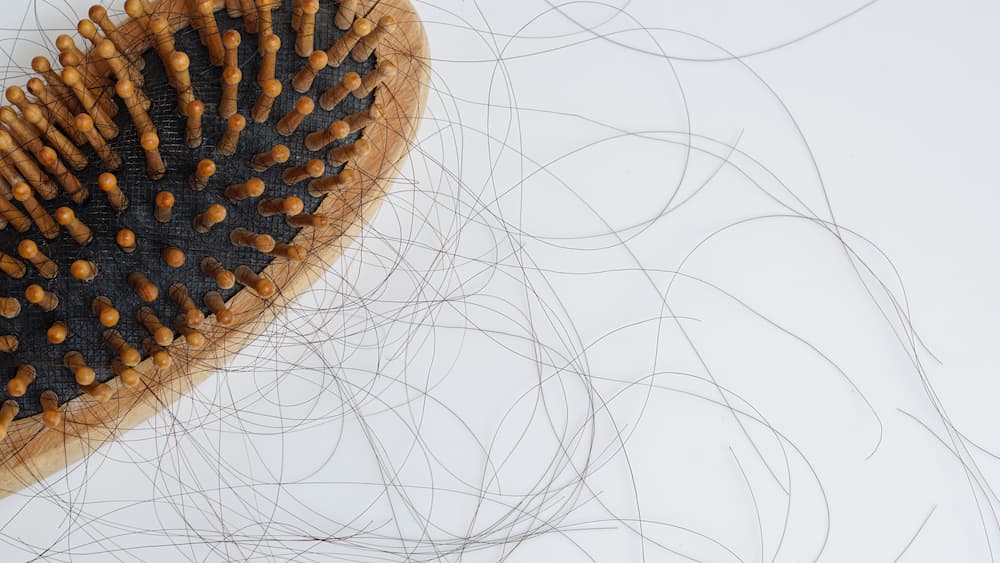
GLP-1 medications like semaglutide (Wegovy, Ozempic) and tirzepatide (Mounjaro, Zepbound) have helped many women lose weight in ways that finally feel sustainable. But as these treatments become more common, a new question has emerged: “Does GLP-1 cause hair loss?”
At Essentia Women’s Health & Aesthetics in Fayetteville, we stay on the pulse of what our clients are experiencing—not just the wins, but also the side effects. While GLP-1 medications themselves don’t directly cause hair loss, there are a few important factors to understand.
In this article, we’ll explain the link (if any) between GLP-1 medications and hair thinning, what causes it, how to prevent it, and what to do if you notice hair shedding during your weight loss journey.
What Is a GLP-1 Medication and How Does It Work?
GLP-1 stands for glucagon-like peptide-1—a naturally occurring hormone that helps regulate blood sugar and appetite. GLP-1 medications mimic this hormone to:
- Slow down digestion
- Improve insulin sensitivity
- Reduce appetite and food noise
- Promote fat loss
- Support steady weight reduction
At Essentia, we use GLP-1 medications like semaglutide and tirzepatide within a medically supervised weight loss program that includes nutrition, exercise coaching, hormone balance, and peptide support.
So… Does GLP-1 Cause Hair Loss?
The short answer: GLP-1 medications are not known to directly cause hair loss.
However, some people report noticing increased shedding after a few months of use—particularly if they’ve experienced rapid weight loss.
Why is that?
Hair loss during weight loss—known as telogen effluvium—is a temporary condition that can be triggered by:
- Rapid weight loss
- Nutrient deficiencies (especially iron, protein, zinc, biotin)
- Hormonal shifts
- Stress on the body from calorie restriction or major lifestyle change
So the bottom line is, it’s not the medication causing the hair loss directly—it’s often the metabolic stress or nutritional depletion that comes along with it.
When Does Hair Loss Happen on GLP-1?
Hair shedding usually occurs 2 to 4 months after the start of rapid weight loss. That’s because hair growth happens in cycles. When your body undergoes a big change—like a calorie deficit or rapid fat loss—it may signal your hair follicles to shift into a resting phase.
That’s why hair loss from weight loss typically shows up a few months into your journey, not immediately after starting semaglutide or tirzepatide.
What Can I Do to Prevent Hair Loss on Semaglutide or Tirzepatide?
At Essentia, we take a proactive approach to protect your hair health during medical weight loss. Here are a few essentials:
- Eat enough protein
Aim for at least 60–90 grams of protein daily to support hair follicles and muscle preservation. - Check your labs
We run a full nutrient and hormone panel before you start. Low iron, vitamin D, or thyroid dysfunction can all impact hair. - Add targeted nutraceutical supplementation
Biotin, zinc, magnesium, collagen peptides, methyl support, adrenal support, and B-complex vitamins can be helpful. We offer customized nutraceutical bundles through our store. - Avoid crash dieting
We tailor your program to your body’s needs. Slow, sustainable fat loss reduces stress on the body and protects your hair. - Support your hormones
Especially if you’re perimenopausal, hormonal imbalance can exacerbate shedding. Our programs include optional BHRT support when needed. - Consider PRP for hair
If shedding is significant or persistent, PRP hair restoration can stimulate regrowth. We offer this in-office at Essentia.
Should I Stop GLP-1 If I’m Losing Hair?
Not necessarily. In most cases, hair shedding is temporary and reversible. Once your weight stabilizes and your nutrient levels are optimized, new hair growth usually resumes within 3–6 months.
If you’re concerned about shedding, talk to your provider. We may adjust your dose, review your labs, and recommend hair support options to get you through the transition.
Frequently Asked Questions
Q: Does semaglutide or tirzepatide cause hair loss?
A: Not directly. However, rapid weight loss associated with GLP-1s can trigger temporary hair shedding in some individuals.
Q: How long does hair loss last while on GLP-1?
A: Most people experience shedding for a few months. Hair regrowth typically starts once weight stabilizes and nutrient support is optimized.
Q: What nutrients help prevent hair loss?
A: Iron, vitamin D, magnesium, B-complex, protein, zinc, and biotin are key for hair health. We test for and support these in our medical weight loss membership.
Q: Can I get treatments for hair regrowth while on semaglutide?
A: Yes! At Essentia, we offer Cellenis® PRP and exosomes for hair thinning. It’s a non-surgical treatment that uses your body’s own plasma to stimulate new growth.
Q: Is the hair loss permanent?
A: No. In most cases, it’s temporary and reversible with proper nutrition and care.
Empower Your Weight Loss Journey—Without Compromising Your Hair
Hair loss can be unsettling—but it’s not the whole story. At Essentia, our clients are supported every step of the way—with data-driven care, labs, customized supplements, and aesthetic treatments that honor your whole self.
If you’re considering GLP-1 therapy but want to protect your hair health, book a consultation to learn how our weight loss programs are different.
We’re here to help you feel confident, strong, and radiant—inside and out.