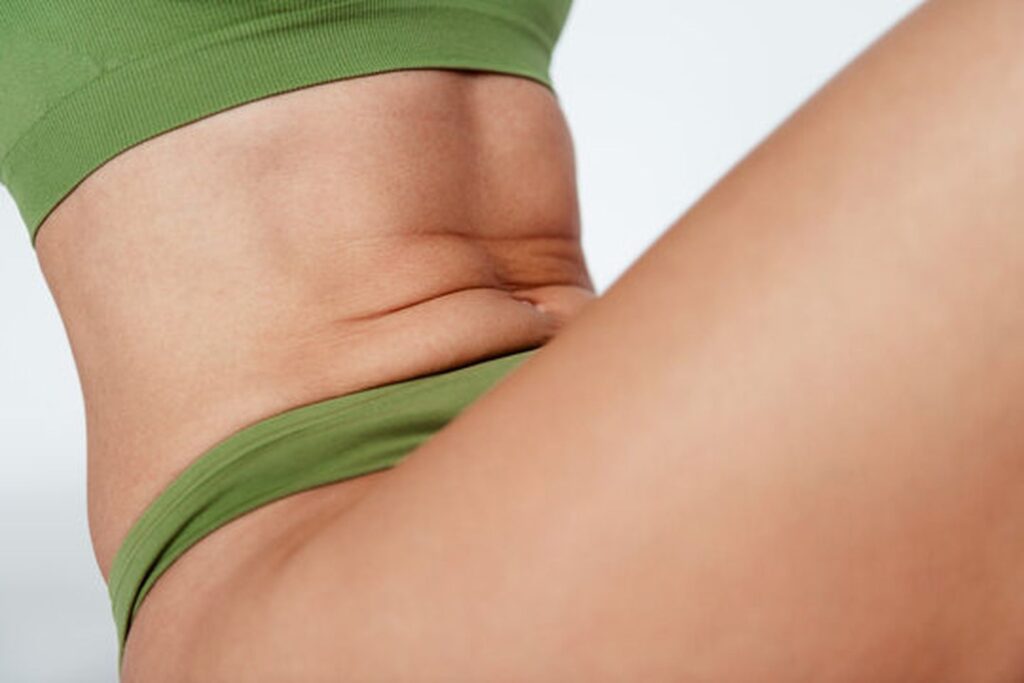
If you’ve been noticing more weight around your midsection—despite eating well and staying active—you’re not imagining it. Many women begin searching for answers about hormones and belly fat when their body starts changing in ways that don’t respond to their usual routine.
The truth is, belly fat is often hormonal, especially for women in their 30s, 40s, and beyond.
At Essentia Women’s Health & Aesthetics, we help women understand the connection between hormones and belly fat and create personalized treatment plans that address the root cause—not just the symptoms.
Because this isn’t just about weight. It’s about how your body is functioning.
What is hormonal belly fat?
Hormonal belly fat refers to fat accumulation around the abdomen that is driven by changes in hormone levels, rather than just diet or activity level.
This type of fat is often more resistant to traditional weight loss methods and is commonly seen during:
- Perimenopause
- Menopause
- Periods of chronic stress
- Thyroid imbalance
Why do hormones cause belly fat?
Hormones regulate metabolism, fat storage, and how your body uses energy. When hormones are out of balance, the body shifts into a state that favors fat storage—especially in the abdominal area.
Check out the Essentia article on other symptoms of perimenopause and menopause—and how to treat it.
Estrogen and belly fat
As estrogen levels decline, particularly during perimenopause, the body tends to store more fat centrally rather than in the hips and thighs.
This is why many women notice a shift in body shape over time.
Cortisol (stress hormone)
Chronic stress leads to elevated cortisol levels, which:
- Increase fat storage
- Promote cravings
- Encourage abdominal fat accumulation
Insulin resistance
When insulin levels are elevated, the body becomes more efficient at storing fat rather than burning it.
This can make it feel like:
- Weight gain happens easily
- Weight loss is nearly impossible
Testosterone and muscle mass
Lower testosterone levels in women can lead to reduced muscle mass, which slows metabolism and makes fat loss more difficult.
Why diet and exercise stop working
Many women feel frustrated because what used to work no longer does.
This is because hormonal belly fat is not just a calorie problem—it’s a metabolic problem.
When hormones shift, the body:
- Burns fewer calories at rest
- Stores more fat
- Loses muscle more easily
This is why a more targeted approach is needed.
How to lose hormonal belly fat
The key to addressing hormones and belly fat is a comprehensive approach that targets metabolism, muscle, and hormone balance.
1. Optimize your hormones
One of the most effective ways to address hormonal belly fat is through bioidentical hormone therapy.
Hormone therapy can help:
- Improve metabolism
- Reduce fat accumulation
- Increase energy
- Support muscle preservation
Learn more about the symptoms of perimenopause and menopause and how it can be treated with our hormone therapy.
2. Consider medical weight loss support
GLP-1 medications such as semaglutide and tirzepatide can be powerful tools for reducing stubborn fat.
These treatments help:
- Reduce appetite
- Improve insulin sensitivity
- Support fat loss
Explore our medical weight loss program.
3. Prioritize protein and strength training
Muscle is metabolically active and plays a major role in fat loss.
To support your metabolism:
- Increase protein intake
- Strength train at least 3 times per week
This helps preserve muscle while reducing fat.
4. Manage stress and cortisol
Chronic stress can directly contribute to belly fat.
Focus on:
- Quality sleep
- Stress reduction techniques
- Balanced routines
5. Address skin changes after weight loss
As you lose fat, you may notice changes in skin elasticity.
Treatments like Morpheus8 RF microneedling can help tighten skin and restore collagen.
What women are saying
“I felt like no matter what I did, my belly fat wouldn’t go away. When I started treatment at Essentia, I finally understood what was happening with my body. Once my hormones were addressed, everything started to change.”
Related articles
- Perimenopause and Menopause Treatment: Symptoms, Hormone Therapy, and What to Expect
- First signs of perimenopause
- Does hormone therapy help with weight loss
- How to prevent loose skin while losing weight
- Tirzepatide vs semaglutide
Frequently asked questions
Why do I gain belly fat as I get older?
Hormonal changes, particularly declining estrogen and testosterone, shift fat storage to the abdomen and slow metabolism.
Can hormone therapy reduce belly fat?
Hormone therapy can improve metabolic function and fat distribution, making it easier to lose abdominal fat.
What is the best treatment for hormonal belly fat?
A combination of hormone optimization, peptides for medical weight loss, strength training, and lifestyle support is most effective.
Is belly fat dangerous?
Yes. Excess abdominal fat is associated with increased risk of metabolic and cardiovascular conditions.
The bottom line
If you’re struggling with hormones and belly fat, it’s not a lack of discipline. It’s your body asking for a different approach.
At Essentia Women’s Health & Aesthetics, we help you understand what’s happening and create a plan that supports your metabolism, your hormones, and your long-term health.
Because the goal isn’t just to lose weight. The goal is to feel like yourself again.
Your next step
If you’re ready to stop guessing and start getting real answers, we’re here for you.
Call 470-835-0545 to take the first step toward a healthier, more confident you.